


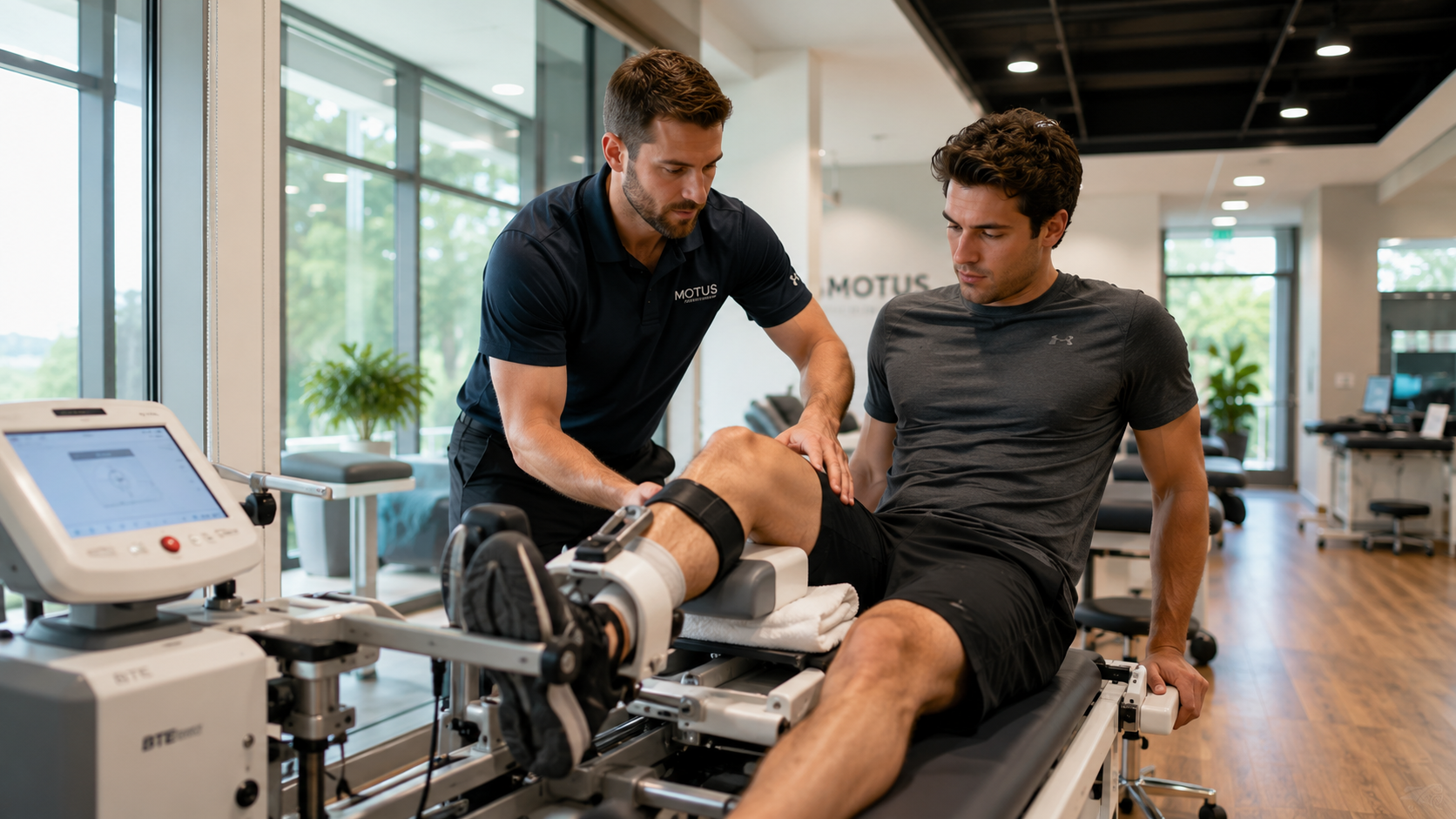
Rehabilitating after major orthopedic surgery—such as total knee arthroplasty (TKA), anterior cruciate ligament (ACL) reconstruction, or spinal fusion—requires a structured physical therapy (PT) protocol. For patients, medical centers, and health insurance providers, optimizing post-operative rehabilitation directly impacts functional recovery timelines, reduces hospital readmission rates, and minimizes long-term medical expenditure.
1. Stages of Post-Surgical Physical Therapy
Effective orthopedic rehabilitation moves through distinct clinical phases tailored to tissue healing cycles:
-
Acute Phase (Weeks 1–2): Focuses on pain management, edema control, passive range of motion (PROM), and preventing deep vein thrombosis (DVT).
-
Intermediate Sub-Acute Phase (Weeks 3–8): Transitions to active-assisted exercises, neuromuscular re-education, weight-bearing progression, and progressive resistance training.
-
Advanced Functional Phase (Weeks 9+): Emphasizes sport-specific or job-specific movement patterns, dynamic stability, and high-level proprioceptive training to ensure full return to activity.
2. Cost Analysis and Insurance Coverage Frameworks
Out-of-pocket expenses for specialized physical therapy vary significantly based on clinical setting and insurance policy terms:
| Service Setting | Average Cost Per Session (Out-of-Pocket) | Insurance Reimbursement Trends |
| Inpatient Rehabilitation Facility (IRF) | $800 – $1,500 / day | Covered under primary medical insurance post-surgery with pre-authorization. |
| Outpatient Physical Therapy Clinic | $150 – $350 / session | Requires copayments or coinsurance; often subject to annual visit caps (e.g., 20–30 visits/year). |
| In-Home Physical Therapy (Home Health) | $200 – $400 / visit | Typically covered 100% for homebound patients under qualified medical referral. |
3. Long-Term Healthcare Cost Offsets
Investing in early, high-frequency physical therapy after surgery dramatically reduces long-term healthcare costs. Studies show that completing a targeted 12-week post-op physical therapy program lowers the risk of revision surgery by up to 40% and cuts down total 1-year post-operative healthcare expenditures by eliminating chronic pain management costs.