



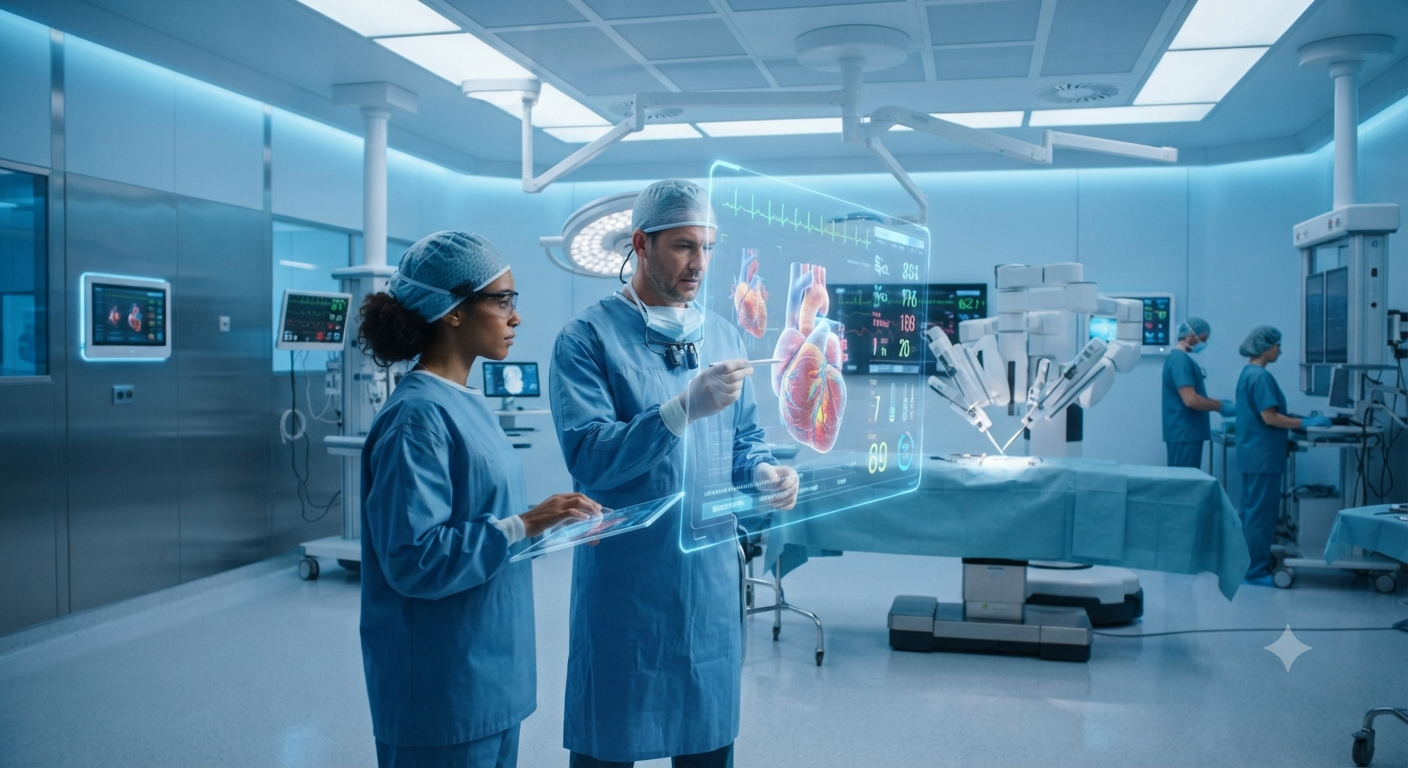
The global medical industries sector is undergoing a massive paradigm shift, driven by rapid technological integration and an increasing demand for precision healthcare. From AI-powered diagnostic imaging tools to remote patient monitoring platforms and robotic-assisted surgery, modern hospitals and clinical networks are heavily investing in digital transformation to improve patient outcomes and operational efficiency.
For healthcare providers, medical device manufacturers, and health-tech investors, understanding these emerging clinical technologies is essential for capitalizing on high-growth market segments.
Key Innovations Reshaping Modern Healthcare
Several breakthrough technologies are currently dominating capital expenditures and clinical adoption worldwide:
-
Artificial Intelligence in Diagnostics: Machine learning algorithms can analyze radiology scans, pathology slides, and electronic health records (EHRs) with incredible speed, helping physicians detect early-stage diseases like cancer and cardiovascular anomalies with unprecedented accuracy.
-
Telehealth and Remote Patient Monitoring (RPM): Wearable medical sensors and secure virtual care platforms allow physicians to monitor chronic conditions—such as diabetes and hypertension—in real time, drastically reducing hospital readmission rates.
-
Robotic-Assisted Surgery Systems: Minimalist surgical robots provide surgeons with enhanced dexterity, high-definition 3D visualization, and tremor filtration, leading to smaller incisions, faster recovery times, and reduced post-operative complications.
-
Blockchain for Health Data Security: Implementing decentralized ledger technology ensures the secure, tamper-proof exchange of sensitive patient medical records across different healthcare networks while maintaining regulatory compliance.
The Investment Outlook for Health-Tech Infrastructure
As aging populations and chronic illness rates continue to rise globally, demand for scalable medical technology remains at an all-time high. Strategic investments in digital health infrastructure not only elevate the standard of clinical care but also yield robust, long-term financial returns for stakeholders navigating the modern healthcare economy.