


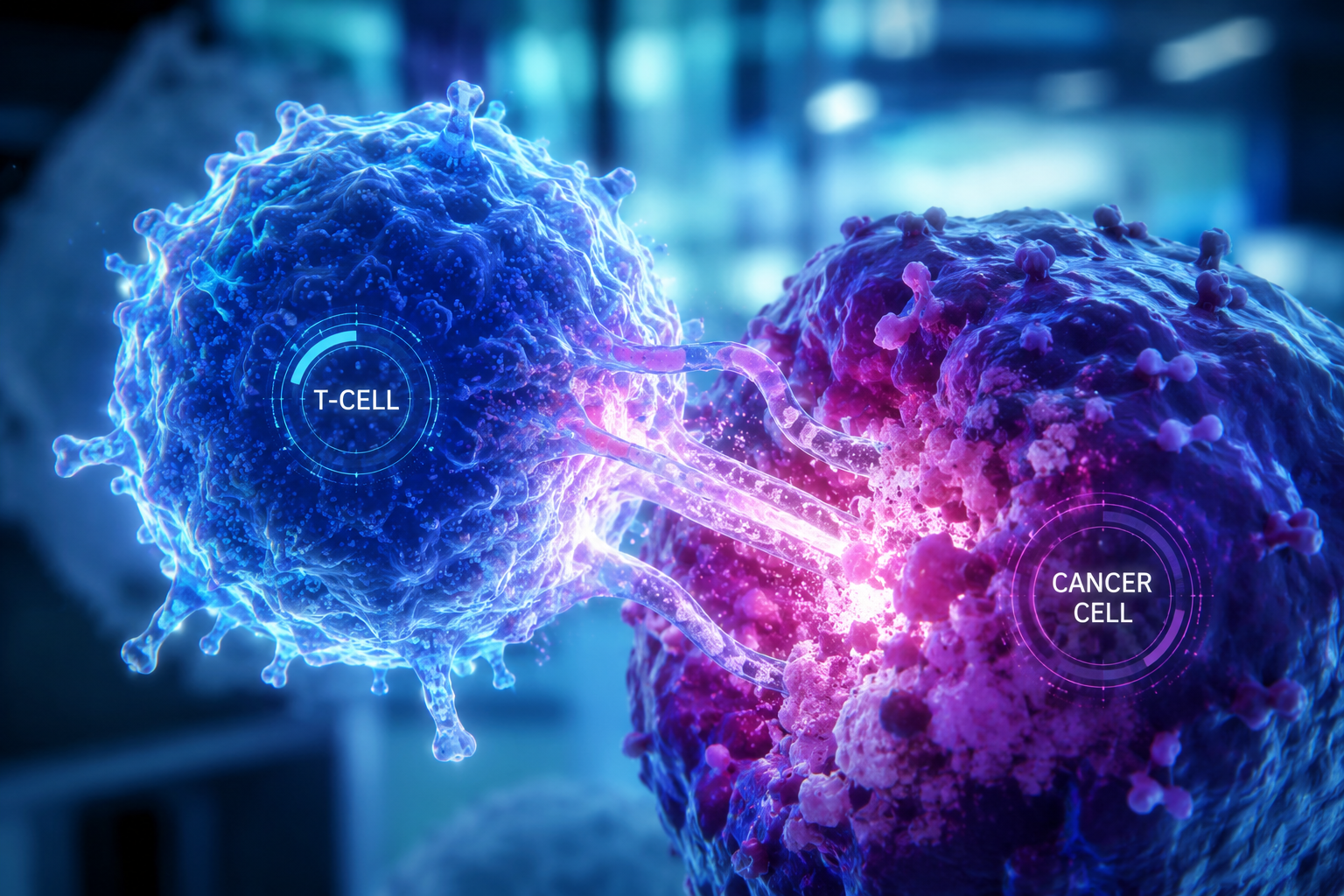
Cancer treatment has evolved dramatically over the past few decades, transitioning from broad-spectrum interventions like chemotherapy to hyper-personalized biological therapies. Among these innovations, CAR T-cell therapy stands out as one of the most promising frontiers in modern oncology, offering renewed hope for patients with refractory hematologic malignancies.
What is CAR T-Cell Therapy?
Chimeric Antigen Receptor (CAR) T-cell therapy is a form of immunotherapy that reprograms a patient’s own immune system to recognize and destroy cancer cells. Unlike traditional treatments that introduce foreign chemical agents into the body, CAR T-cell therapy leverages the patient’s T-cells—the primary soldiers of the immune system.
How the Process Works
-
Cell Collection (Apheresis): T-cells are extracted from the patient’s blood.
-
Genetic Engineering: In a specialized laboratory, a disarmed virus introduces a gene into the T-cells, enabling them to express synthetic receptors called Chimeric Antigen Receptors (CARs).
-
Multiplication: Millions of CAR T-cells are grown in bioreactors.
-
Infusion: The engineered cells are infused back into the patient, where they target specific antigens (such as CD19) present on cancer cells.
Clinical Success and High Impact
Clinical trials have demonstrated remarkable remission rates in conditions like relapsed B-cell acute lymphoblastic leukemia (ALL) and diffuse large B-cell lymphoma (DLBCL). Patients who previously had limited therapeutic options are now achieving long-term, complete remission.
While challenges such as Cytokine Release Syndrome (CRS) and high manufacturing costs remain, ongoing research aims to refine safety protocols and expand this technology to treat solid tumors, marking a monumental shift toward curative oncology.